rollingstone

@rollingstone

The latest news and more from Rolling Stone magazine

5261 Posts

A century ago, a black, 19-year old shoe shiner named Dick Rowland tripped and fell into a white, female elevator operator two years his junior in Tulsa, Oklahoma. It was nothing. Everyone was fine. But by the next day, the incident, as ephemeral as it was, was twisted by the white supremacists at the Tulsa Tribune into a front page article with a headline telling readers to “Nab Negro for Attacking Girl in Elevator.”⁠
⁠
What happened next was one of the single worst racial atrocities in American history: Over two days on May 31st and June 1st, mobs of white Tulsans murdered as many as 300 of their black neighbors, and destroyed 35 blocks of Greenwood, a black neighborhood so prosperous it had been known as “black Wall Street.” Hundreds more fled. Survivors were warned to keep quiet, unless they wanted it to happen again.⁠
⁠
It also wasn’t in isolation. The Tulsa massacre came two years after the Red Summer of 1919, when whites launched as many as 35 terrorism campaigns against blacks. The U.S. government further disenfranchised blacks by excluding them from the New Deal and the G.I. Bill; razing their neighborhoods through “Urban Renewal” programs; and encouraging the decades of gentrification that persist to this day.⁠
⁠
We caught up with Dr. William “Sandy” Darity, Jr., a Duke University economist who studies the effect that these massacres and disenfranchising policies have had on black Americans, and makes the case for at least $11.2 trillion in reparations. “People are deeply mistaken when they use the phrase ‘slavery reparations,’” Darity told Rolling Stone. “It is not the only period that’s relevant to the case for reparations for black American descendants of slavery. The white massacres make that point in spades.”⁠
⁠
In a wide-ranging discussion on reparation in the U.S., Darity talked about the legacy of the massacre on generational wealth in black America, the backlash to critical race theory, and why a Congressional bill to study reparations doesn’t go far enough.⁠
⁠
Tap the link in our bio to read more.⁠
⁠
Photo: © Hulton-Deutsch Collection/CORBIS/Getty Images

A century ago, a black, 19-year old shoe shiner named Dick Rowland tripped and fell into a white, female elevator operator two years his junior in Tulsa, Oklahoma. It was nothing. Everyone was fine. But by the next day, the incident, as ephemeral as it was, was twisted by the white supremacists at the Tulsa Tribune into a front page article with a headline telling readers to “Nab Negro for Attacking Girl in Elevator.”⁠ ⁠ What happened next was one of the single worst racial atrocities in American history: Over two days on May 31st and June 1st, mobs of white Tulsans murdered as many as 300 of their black neighbors, and destroyed 35 blocks of Greenwood, a black neighborhood so prosperous it had been known as “black Wall Street.” Hundreds more fled. Survivors were warned to keep quiet, unless they wanted it to happen again.⁠ ⁠ It also wasn’t in isolation. The Tulsa massacre came two years after the Red Summer of 1919, when whites launched as many as 35 terrorism campaigns against blacks. The U.S. government further disenfranchised blacks by excluding them from the New Deal and the G.I. Bill; razing their neighborhoods through “Urban Renewal” programs; and encouraging the decades of gentrification that persist to this day.⁠ ⁠ We caught up with Dr. William “Sandy” Darity, Jr., a Duke University economist who studies the effect that these massacres and disenfranchising policies have had on black Americans, and makes the case for at least $11.2 trillion in reparations. “People are deeply mistaken when they use the phrase ‘slavery reparations,’” Darity told Rolling Stone. “It is not the only period that’s relevant to the case for reparations for black American descendants of slavery. The white massacres make that point in spades.”⁠ ⁠ In a wide-ranging discussion on reparation in the U.S., Darity talked about the legacy of the massacre on generational wealth in black America, the backlash to critical race theory, and why a Congressional bill to study reparations doesn’t go far enough.⁠ ⁠ Tap the link in our bio to read more.⁠ ⁠ Photo: © Hulton-Deutsch Collection/CORBIS/Getty Images

A century ago, a black, 19-year old shoe shiner named Dick Rowland tripped and fell into a white, female elevator operator two years his junior in Tulsa, Oklahoma. It was nothing. Everyone was fine. But by the next day, the incident, as ephemeral as it was, was twisted by the white supremacists at the Tulsa Tribune into a front page article with a headline telling readers to “Nab Negro for Attacking Girl in Elevator.”⁠ ⁠ What happened next was one of the single worst racial atrocities in American history: Over two days on May 31st and June 1st, mobs of white Tulsans murdered as many as 300 of their black neighbors, and destroyed 35 blocks of Greenwood, a black neighborhood so prosperous it had been known as “black Wall Street.” Hundreds more fled. Survivors were warned to keep quiet, unless they wanted it to happen again.⁠ ⁠ It also wasn’t in isolation. The Tulsa massacre came two years after the Red Summer of 1919, when whites launched as many as 35 terrorism campaigns against blacks. The U.S. government further disenfranchised blacks by excluding them from the New Deal and the G.I. Bill; razing their neighborhoods through “Urban Renewal” programs; and encouraging the decades of gentrification that persist to this day.⁠ ⁠ We caught up with Dr. William “Sandy” Darity, Jr., a Duke University economist who studies the effect that these massacres and disenfranchising policies have had on black Americans, and makes the case for at least $11.2 trillion in reparations. “People are deeply mistaken when they use the phrase ‘slavery reparations,’” Darity told Rolling Stone. “It is not the only period that’s relevant to the case for reparations for black American descendants of slavery. The white massacres make that point in spades.”⁠ ⁠ In a wide-ranging discussion on reparation in the U.S., Darity talked about the legacy of the massacre on generational wealth in black America, the backlash to critical race theory, and why a Congressional bill to study reparations doesn’t go far enough.⁠ ⁠ Tap the link in our bio to read more.⁠ ⁠ Photo: © Hulton-Deutsch Collection/CORBIS/Getty Images

From sax solos by Clarence Clemons to the glorious oddness of “Judas” to the super-powered power ballad “You and I,” 'Born This Way' was the moment Lady Gaga ascended to superstardom. To celebrate 10 years of the instant-classic album, Brittany Spanos and Rob Sheffield joined host Brian Hiatt — who was in the studio with Gaga for a Rolling Stone cover story as she finished recording 'Born This Way' — for a new episode of the 'Rolling Stone Music Now' podcast. They break down the album’s greatest moments, put it in context of pop at the time, look at its influence, discuss our 2011 cover story, and much more.⁠
⁠
Tap the link in our bio to listen.⁠
⁠
Photo: Kevin Mazur/WireImage

From sax solos by Clarence Clemons to the glorious oddness of “Judas” to the super-powered power ballad “You and I,” 'Born This Way' was the moment Lady Gaga ascended to superstardom. To celebrate 10 years of the instant-classic album, Brittany Spanos and Rob Sheffield joined host Brian Hiatt — who was in the studio with Gaga for a Rolling Stone cover story as she finished recording 'Born This Way' — for a new episode of the 'Rolling Stone Music Now' podcast. They break down the album’s greatest moments, put it in context of pop at the time, look at its influence, discuss our 2011 cover story, and much more.⁠ ⁠ Tap the link in our bio to listen.⁠ ⁠ Photo: Kevin Mazur/WireImage

From sax solos by Clarence Clemons to the glorious oddness of “Judas” to the super-powered power ballad “You and I,” 'Born This Way' was the moment Lady Gaga ascended to superstardom. To celebrate 10 years of the instant-classic album, Brittany Spanos and Rob Sheffield joined host Brian Hiatt — who was in the studio with Gaga for a Rolling Stone cover story as she finished recording 'Born This Way' — for a new episode of the 'Rolling Stone Music Now' podcast. They break down the album’s greatest moments, put it in context of pop at the time, look at its influence, discuss our 2011 cover story, and much more.⁠ ⁠ Tap the link in our bio to listen.⁠ ⁠ Photo: Kevin Mazur/WireImage

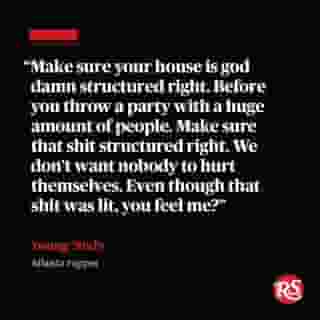
Every so often a viral moment captures our imagination for its sheer absurdity. Over the holiday weekend, a Twitter user with the handle @/topxkazi shared a video from what appeared to be a graduation party inside of a residential home. The video shows a packed room of young people dancing to the Young Nudy and 21 Savage track “EA,” from Nudy’s 2017 mixtape 'SlimeBall 2.' A ceiling fan dangles ominously close to the crowd, almost like a horror movie foreshadowing the chaos that’s to come. ⁠
⁠
Just as the revelers seem poised for ecstasy, around the song’s chorus, the video goes shaky and you hear screams throughout the party. The camera’s video goes black just as we see dozens of partiers sunken into the ground — the floor apparently caved in. ⁠
⁠
A GoFundMe page was launched by a user named Abraham Nelson to raise money for the damages, which allegedly amount to over $15,000. Maybe out of sympathy for a graduating class that was robbed of their carefree days by the pandemic, Young Nudy took notice. A spokesperson for the rapper recently told 'Complex' that he’d be contributing to the GoFundMe.⁠
⁠
Nudy wouldn’t say exactly how much money he was contributing to the house’s repair, but he did confirm to 'Rolling Stone' that he intended to help. He spoke to us about responding to DMs from fans, how people can listen to his music safely, and his upcoming releases this year.⁠
⁠
Tap the link in our bio to read more.⁠
⁠
Photo: Scott Dudelson/Getty Images

Every so often a viral moment captures our imagination for its sheer absurdity. Over the holiday weekend, a Twitter user with the handle @/topxkazi shared a video from what appeared to be a graduation party inside of a residential home. The video shows a packed room of young people dancing to the Young Nudy and 21 Savage track “EA,” from Nudy’s 2017 mixtape 'SlimeBall 2.' A ceiling fan dangles ominously close to the crowd, almost like a horror movie foreshadowing the chaos that’s to come. ⁠ ⁠ Just as the revelers seem poised for ecstasy, around the song’s chorus, the video goes shaky and you hear screams throughout the party. The camera’s video goes black just as we see dozens of partiers sunken into the ground — the floor apparently caved in. ⁠ ⁠ A GoFundMe page was launched by a user named Abraham Nelson to raise money for the damages, which allegedly amount to over $15,000. Maybe out of sympathy for a graduating class that was robbed of their carefree days by the pandemic, Young Nudy took notice. A spokesperson for the rapper recently told 'Complex' that he’d be contributing to the GoFundMe.⁠ ⁠ Nudy wouldn’t say exactly how much money he was contributing to the house’s repair, but he did confirm to 'Rolling Stone' that he intended to help. He spoke to us about responding to DMs from fans, how people can listen to his music safely, and his upcoming releases this year.⁠ ⁠ Tap the link in our bio to read more.⁠ ⁠ Photo: Scott Dudelson/Getty Images

Every so often a viral moment captures our imagination for its sheer absurdity. Over the holiday weekend, a Twitter user with the handle @/topxkazi shared a video from what appeared to be a graduation party inside of a residential home. The video shows a packed room of young people dancing to the Young Nudy and 21 Savage track “EA,” from Nudy’s 2017 mixtape 'SlimeBall 2.' A ceiling fan dangles ominously close to the crowd, almost like a horror movie foreshadowing the chaos that’s to come. ⁠ ⁠ Just as the revelers seem poised for ecstasy, around the song’s chorus, the video goes shaky and you hear screams throughout the party. The camera’s video goes black just as we see dozens of partiers sunken into the ground — the floor apparently caved in. ⁠ ⁠ A GoFundMe page was launched by a user named Abraham Nelson to raise money for the damages, which allegedly amount to over $15,000. Maybe out of sympathy for a graduating class that was robbed of their carefree days by the pandemic, Young Nudy took notice. A spokesperson for the rapper recently told 'Complex' that he’d be contributing to the GoFundMe.⁠ ⁠ Nudy wouldn’t say exactly how much money he was contributing to the house’s repair, but he did confirm to 'Rolling Stone' that he intended to help. He spoke to us about responding to DMs from fans, how people can listen to his music safely, and his upcoming releases this year.⁠ ⁠ Tap the link in our bio to read more.⁠ ⁠ Photo: Scott Dudelson/Getty Images

In our definitive 'WandaVision' oral history, Elizabeth Olsen, Paul Bettany, Kathryn Hahn, Marvel Studios president Kevin Feige, and many more tell the story behind the year's biggest, boldest show.⁠
⁠
Tap the link in our bio to read.⁠
⁠
Photo: Marvel Studios

In our definitive 'WandaVision' oral history, Elizabeth Olsen, Paul Bettany, Kathryn Hahn, Marvel Studios president Kevin Feige, and many more tell the story behind the year's biggest, boldest show.⁠ ⁠ Tap the link in our bio to read.⁠ ⁠ Photo: Marvel Studios

In our definitive 'WandaVision' oral history, Elizabeth Olsen, Paul Bettany, Kathryn Hahn, Marvel Studios president Kevin Feige, and many more tell the story behind the year's biggest, boldest show.⁠ ⁠ Tap the link in our bio to read.⁠ ⁠ Photo: Marvel Studios

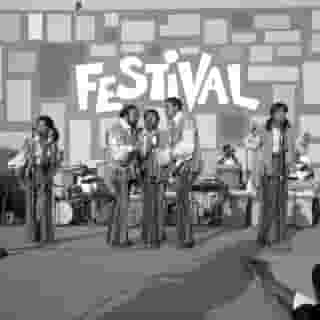
Footage of the 1969 Harlem Cultural Festival, starring Stevie Wonder, Sly Stone, Nina Simone, and more, sat unseen for 50 years. Questlove tells us how he brought this forgotten landmark festival to the screen with 'Summer of Soul,' one of 2021's buzziest documentaries.⁠
⁠
The ’69 shows served as a crucial gathering space during a tumultuous time in black America. “The festival was a way to offset the pain we all felt after MLK,” Rev. Jesse Jackson, who spoke at the festival, told Rolling Stone in 2019. “The artists tried to express the tensions of the time, a fierce pain and a fierce joy.”⁠
⁠
Sensing the importance of what was happening, a local television director named Hal Tulchin filmed the 1969 concerts with a professional crew, but the footage would end up sitting in his basement in suburban Westchester for nearly 50 years. “Not only was the footage forgotten, it was overlooked,” says Sasha Tulchin, Hal’s daughter. “It wasn’t wanted, and then it was forgotten.”⁠
⁠
Tap the link in our bio to read more.⁠⁠
⁠
Photo by CBS/Getty Images

Footage of the 1969 Harlem Cultural Festival, starring Stevie Wonder, Sly Stone, Nina Simone, and more, sat unseen for 50 years. Questlove tells us how he brought this forgotten landmark festival to the screen with 'Summer of Soul,' one of 2021's buzziest documentaries.⁠ ⁠ The ’69 shows served as a crucial gathering space during a tumultuous time in black America. “The festival was a way to offset the pain we all felt after MLK,” Rev. Jesse Jackson, who spoke at the festival, told Rolling Stone in 2019. “The artists tried to express the tensions of the time, a fierce pain and a fierce joy.”⁠ ⁠ Sensing the importance of what was happening, a local television director named Hal Tulchin filmed the 1969 concerts with a professional crew, but the footage would end up sitting in his basement in suburban Westchester for nearly 50 years. “Not only was the footage forgotten, it was overlooked,” says Sasha Tulchin, Hal’s daughter. “It wasn’t wanted, and then it was forgotten.”⁠ ⁠ Tap the link in our bio to read more.⁠⁠ ⁠ Photo by CBS/Getty Images

Footage of the 1969 Harlem Cultural Festival, starring Stevie Wonder, Sly Stone, Nina Simone, and more, sat unseen for 50 years. Questlove tells us how he brought this forgotten landmark festival to the screen with 'Summer of Soul,' one of 2021's buzziest documentaries.⁠ ⁠ The ’69 shows served as a crucial gathering space during a tumultuous time in black America. “The festival was a way to offset the pain we all felt after MLK,” Rev. Jesse Jackson, who spoke at the festival, told Rolling Stone in 2019. “The artists tried to express the tensions of the time, a fierce pain and a fierce joy.”⁠ ⁠ Sensing the importance of what was happening, a local television director named Hal Tulchin filmed the 1969 concerts with a professional crew, but the footage would end up sitting in his basement in suburban Westchester for nearly 50 years. “Not only was the footage forgotten, it was overlooked,” says Sasha Tulchin, Hal’s daughter. “It wasn’t wanted, and then it was forgotten.”⁠ ⁠ Tap the link in our bio to read more.⁠⁠ ⁠ Photo by CBS/Getty Images

An early concern of social media was what would happen to a person’s online presence when they died. As Facebook gained traction, the accounts of those who’d recently passed away became living memorials, with friends and loved ones posting comments in remembrance. Sometimes an estate would continue to post on a deceased loved one’s behalf, raising questions about what exactly it means to honor the dead. In music, as streaming platforms similarly reconfigure our relationships with the artists we love, posthumous releases have thrived, presenting another awkward tension. Grieving fans surely want to hear new work from their favorite artists, but it’s hard to know if these albums — which have arrived at a tragically rapid clip in the past year — would have existed in their same form had the artists been able to have a say.⁠
⁠
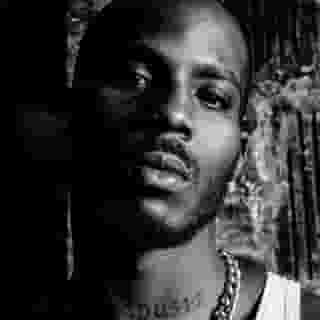
For the platforms that host the music, and for the labels that ultimately earn money as a result, it’s all the same. Content is uploaded and audiences listen. DMX, who died in April, is the latest hip-hop artist to have new music arrive after their death. Though 'Exodus', which stands as X’s first official release with Def Jam since 2003’s 'Grand Champ,' may have arrived the fastest. That’s because DMX was already poised for a comeback before his tragic death. Following the positive response to his Verzus Battle at the height of the coronavirus pandemic, X and Swizz Beatz connected at Snoop Dogg’s studio in L.A. to record an album. The culture seemed primed for a reprisal of X’s unmatched charisma and in the months preceding his death, news of 'Exodus’s development trickled out on blogs and on social media. ⁠
⁠
Still, the final result feels cold in its new context. Landing somewhere between a posthumous tribute and a completed album, 'Exodus' feels like a view of DMX as a product instead of DMX as an artist.⁠
⁠
Tap the link in bio to read our review.⁠
⁠
Photo: Courtesy of UMusic

An early concern of social media was what would happen to a person’s online presence when they died. As Facebook gained traction, the accounts of those who’d recently passed away became living memorials, with friends and loved ones posting comments in remembrance. Sometimes an estate would continue to post on a deceased loved one’s behalf, raising questions about what exactly it means to honor the dead. In music, as streaming platforms similarly reconfigure our relationships with the artists we love, posthumous releases have thrived, presenting another awkward tension. Grieving fans surely want to hear new work from their favorite artists, but it’s hard to know if these albums — which have arrived at a tragically rapid clip in the past year — would have existed in their same form had the artists been able to have a say.⁠ ⁠ For the platforms that host the music, and for the labels that ultimately earn money as a result, it’s all the same. Content is uploaded and audiences listen. DMX, who died in April, is the latest hip-hop artist to have new music arrive after their death. Though 'Exodus', which stands as X’s first official release with Def Jam since 2003’s 'Grand Champ,' may have arrived the fastest. That’s because DMX was already poised for a comeback before his tragic death. Following the positive response to his Verzus Battle at the height of the coronavirus pandemic, X and Swizz Beatz connected at Snoop Dogg’s studio in L.A. to record an album. The culture seemed primed for a reprisal of X’s unmatched charisma and in the months preceding his death, news of 'Exodus’s development trickled out on blogs and on social media. ⁠ ⁠ Still, the final result feels cold in its new context. Landing somewhere between a posthumous tribute and a completed album, 'Exodus' feels like a view of DMX as a product instead of DMX as an artist.⁠ ⁠ Tap the link in bio to read our review.⁠ ⁠ Photo: Courtesy of UMusic

An early concern of social media was what would happen to a person’s online presence when they died. As Facebook gained traction, the accounts of those who’d recently passed away became living memorials, with friends and loved ones posting comments in remembrance. Sometimes an estate would continue to post on a deceased loved one’s behalf, raising questions about what exactly it means to honor the dead. In music, as streaming platforms similarly reconfigure our relationships with the artists we love, posthumous releases have thrived, presenting another awkward tension. Grieving fans surely want to hear new work from their favorite artists, but it’s hard to know if these albums — which have arrived at a tragically rapid clip in the past year — would have existed in their same form had the artists been able to have a say.⁠ ⁠ For the platforms that host the music, and for the labels that ultimately earn money as a result, it’s all the same. Content is uploaded and audiences listen. DMX, who died in April, is the latest hip-hop artist to have new music arrive after their death. Though 'Exodus', which stands as X’s first official release with Def Jam since 2003’s 'Grand Champ,' may have arrived the fastest. That’s because DMX was already poised for a comeback before his tragic death. Following the positive response to his Verzus Battle at the height of the coronavirus pandemic, X and Swizz Beatz connected at Snoop Dogg’s studio in L.A. to record an album. The culture seemed primed for a reprisal of X’s unmatched charisma and in the months preceding his death, news of 'Exodus’s development trickled out on blogs and on social media. ⁠ ⁠ Still, the final result feels cold in its new context. Landing somewhere between a posthumous tribute and a completed album, 'Exodus' feels like a view of DMX as a product instead of DMX as an artist.⁠ ⁠ Tap the link in bio to read our review.⁠ ⁠ Photo: Courtesy of UMusic

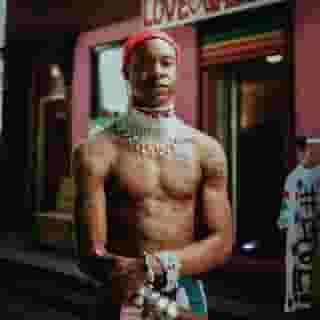
Rapper and beloved Brooklyn neighborhood icon Paperboy Prince is angling for a new title: Mayor of New York.⁠
⁠
Prince’s campaign for mayor might easily be dismissed as an unserious stunt, but in a field full of stuffed suits — bankers, lawyers, mid-level bureaucrats, ex-policy aides — Prince is a shimmering, kaleidoscopic example of what could be if the fear of mockery didn’t prevent us all from thinking a little bit bigger.⁠
⁠
Consider Prince’s vision for New York City. The “Utopia Plan” includes a guaranteed income for all in the form of a monthly cash or cryptocurrency payment of $2,000; “Love Centers” spread throughout the city, where New Yorkers can go to make friends, receive relationship and mental health counseling, childcare and job training; the transformation of the NYPD into a “Love Team”; our crumbling public education system replaced with “futuristic schools”; NYCHA public housing retrofitted into “mansions”; and the implementation of universal health care. ⁠
⁠
It’s easy to laugh off Prince’s ambitious agenda until you visit the Paperboy Prince Love Gallery in Bushwick. On a Wednesday morning a little after 9 a.m., the line for Prince’s weekly food distribution stretches all the way down the block. Over the next two hours, hundreds of neighbors — low-income seniors, veterans, immigrants, individuals who have struggled with cyclical homelessness — stop by to pick up groceries that Prince has given out every week for much of the past year. ⁠
⁠
Tap the link in our bio to read more.⁠
⁠
Photos by @jelani.rice for Rolling Stone

Rapper and beloved Brooklyn neighborhood icon Paperboy Prince is angling for a new title: Mayor of New York.⁠ ⁠ Prince’s campaign for mayor might easily be dismissed as an unserious stunt, but in a field full of stuffed suits — bankers, lawyers, mid-level bureaucrats, ex-policy aides — Prince is a shimmering, kaleidoscopic example of what could be if the fear of mockery didn’t prevent us all from thinking a little bit bigger.⁠ ⁠ Consider Prince’s vision for New York City. The “Utopia Plan” includes a guaranteed income for all in the form of a monthly cash or cryptocurrency payment of $2,000; “Love Centers” spread throughout the city, where New Yorkers can go to make friends, receive relationship and mental health counseling, childcare and job training; the transformation of the NYPD into a “Love Team”; our crumbling public education system replaced with “futuristic schools”; NYCHA public housing retrofitted into “mansions”; and the implementation of universal health care. ⁠ ⁠ It’s easy to laugh off Prince’s ambitious agenda until you visit the Paperboy Prince Love Gallery in Bushwick. On a Wednesday morning a little after 9 a.m., the line for Prince’s weekly food distribution stretches all the way down the block. Over the next two hours, hundreds of neighbors — low-income seniors, veterans, immigrants, individuals who have struggled with cyclical homelessness — stop by to pick up groceries that Prince has given out every week for much of the past year. ⁠ ⁠ Tap the link in our bio to read more.⁠ ⁠ Photos by @jelani.rice for Rolling Stone

Rapper and beloved Brooklyn neighborhood icon Paperboy Prince is angling for a new title: Mayor of New York.⁠ ⁠ Prince’s campaign for mayor might easily be dismissed as an unserious stunt, but in a field full of stuffed suits — bankers, lawyers, mid-level bureaucrats, ex-policy aides — Prince is a shimmering, kaleidoscopic example of what could be if the fear of mockery didn’t prevent us all from thinking a little bit bigger.⁠ ⁠ Consider Prince’s vision for New York City. The “Utopia Plan” includes a guaranteed income for all in the form of a monthly cash or cryptocurrency payment of $2,000; “Love Centers” spread throughout the city, where New Yorkers can go to make friends, receive relationship and mental health counseling, childcare and job training; the transformation of the NYPD into a “Love Team”; our crumbling public education system replaced with “futuristic schools”; NYCHA public housing retrofitted into “mansions”; and the implementation of universal health care. ⁠ ⁠ It’s easy to laugh off Prince’s ambitious agenda until you visit the Paperboy Prince Love Gallery in Bushwick. On a Wednesday morning a little after 9 a.m., the line for Prince’s weekly food distribution stretches all the way down the block. Over the next two hours, hundreds of neighbors — low-income seniors, veterans, immigrants, individuals who have struggled with cyclical homelessness — stop by to pick up groceries that Prince has given out every week for much of the past year. ⁠ ⁠ Tap the link in our bio to read more.⁠ ⁠ Photos by @jelani.rice for Rolling Stone

Before 'Nevermind,' 'Ten, 'Badmotorfinger,' or 'Dirt,' there was 'Gish.' And while it may be a stretch to say that Smashing Pumpkins’ 1991 debut LP was the first album of the alternative rock revolution (Jane’s Addiction, Pixies, Nirvana, and Mudhoney might have something to say about that), it was an enormous landmark nonetheless. At a time when most indie albums failed to reach many fans outside of an act’s small cult, 'Gish' entered the Billboard 200, topped the CMJ chart, and connected in territories as far away as New Zealand and Australia.⁠
⁠
With 'Gish' turning 30, the band is celebrating on Saturday with a two-hour livestream where Billy Corgan and Jimmy Chamberlin will take questions, spin 'Gish'-era classics, and preview unreleased music.⁠
⁠
A couple of days before the big anniversary, we spoke with Corgan about how the band created 'Gish' at producer Butch Vig’s Smart Studios in Madison, Wisconsin; the impact that LSD had on the music; and the album’s long legacy. We also touched on the Pumpkins’ 2020 album, 'Cyr,' and the band’s future plans, which include a 'Mellon Collie and the Infinite Sadness' sequel album and a return to the road after a two-year hiatus.⁠
⁠
Tap the link in our bio to read.⁠
⁠
Photo: Paul Natkin/WireImage

Before 'Nevermind,' 'Ten, 'Badmotorfinger,' or 'Dirt,' there was 'Gish.' And while it may be a stretch to say that Smashing Pumpkins’ 1991 debut LP was the first album of the alternative rock revolution (Jane’s Addiction, Pixies, Nirvana, and Mudhoney might have something to say about that), it was an enormous landmark nonetheless. At a time when most indie albums failed to reach many fans outside of an act’s small cult, 'Gish' entered the Billboard 200, topped the CMJ chart, and connected in territories as far away as New Zealand and Australia.⁠ ⁠ With 'Gish' turning 30, the band is celebrating on Saturday with a two-hour livestream where Billy Corgan and Jimmy Chamberlin will take questions, spin 'Gish'-era classics, and preview unreleased music.⁠ ⁠ A couple of days before the big anniversary, we spoke with Corgan about how the band created 'Gish' at producer Butch Vig’s Smart Studios in Madison, Wisconsin; the impact that LSD had on the music; and the album’s long legacy. We also touched on the Pumpkins’ 2020 album, 'Cyr,' and the band’s future plans, which include a 'Mellon Collie and the Infinite Sadness' sequel album and a return to the road after a two-year hiatus.⁠ ⁠ Tap the link in our bio to read.⁠ ⁠ Photo: Paul Natkin/WireImage

Before 'Nevermind,' 'Ten, 'Badmotorfinger,' or 'Dirt,' there was 'Gish.' And while it may be a stretch to say that Smashing Pumpkins’ 1991 debut LP was the first album of the alternative rock revolution (Jane’s Addiction, Pixies, Nirvana, and Mudhoney might have something to say about that), it was an enormous landmark nonetheless. At a time when most indie albums failed to reach many fans outside of an act’s small cult, 'Gish' entered the Billboard 200, topped the CMJ chart, and connected in territories as far away as New Zealand and Australia.⁠ ⁠ With 'Gish' turning 30, the band is celebrating on Saturday with a two-hour livestream where Billy Corgan and Jimmy Chamberlin will take questions, spin 'Gish'-era classics, and preview unreleased music.⁠ ⁠ A couple of days before the big anniversary, we spoke with Corgan about how the band created 'Gish' at producer Butch Vig’s Smart Studios in Madison, Wisconsin; the impact that LSD had on the music; and the album’s long legacy. We also touched on the Pumpkins’ 2020 album, 'Cyr,' and the band’s future plans, which include a 'Mellon Collie and the Infinite Sadness' sequel album and a return to the road after a two-year hiatus.⁠ ⁠ Tap the link in our bio to read.⁠ ⁠ Photo: Paul Natkin/WireImage

Friends and musicians @raveena_aurora and @imyeek get candid with Rolling Stone editor @TimChan about growing up in the API community, and how their experiences inspired them to pursue their creative passions. We worked with @Messenger to produce this video. Watch now at the link in our bio. #APAHM #MessengerRooms
Friends and musicians @raveena_aurora and @imyeek get candid with Rolling Stone editor @TimChan about growing up in the API community, and how their experiences inspired them to pursue their creative passions. We worked with @Messenger to produce this video. Watch now at the link in our bio. #APAHM #MessengerRooms

Friends and musicians @raveena_aurora and @imyeek get candid with Rolling Stone editor @TimChan about growing up in the API community, and how their experiences inspired them to pursue their creative passions. We worked with @Messenger to produce this video. Watch now at the link in our bio. #APAHM #MessengerRooms

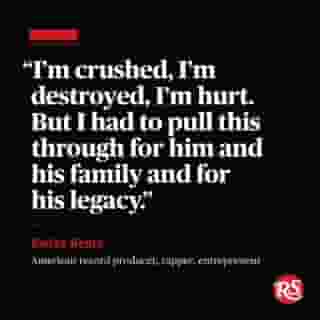
Last year, Swizz Beatz and DMX gathered for some of their most significant work together in more than two decades. Following DMX’s death on April 9th, Swizz faced the task of bringing the album, 'Exodus,' to completion, adding in, editing, and reordering to create a tight, 10-song album that honors the legacy of the late rapper.⁠
⁠
Tap the link in our bio to read to read more.⁠
⁠
Photo: Johnny Nunez/WireImage

Last year, Swizz Beatz and DMX gathered for some of their most significant work together in more than two decades. Following DMX’s death on April 9th, Swizz faced the task of bringing the album, 'Exodus,' to completion, adding in, editing, and reordering to create a tight, 10-song album that honors the legacy of the late rapper.⁠ ⁠ Tap the link in our bio to read to read more.⁠ ⁠ Photo: Johnny Nunez/WireImage

Last year, Swizz Beatz and DMX gathered for some of their most significant work together in more than two decades. Following DMX’s death on April 9th, Swizz faced the task of bringing the album, 'Exodus,' to completion, adding in, editing, and reordering to create a tight, 10-song album that honors the legacy of the late rapper.⁠ ⁠ Tap the link in our bio to read to read more.⁠ ⁠ Photo: Johnny Nunez/WireImage

Howard University announced Wednesday that it would rename its College of Fine Arts after late actor and Howard alum Chadwick Boseman.⁠
⁠
“We are very excited. This is the right thing to do,” Howard president Wayne A.I. Frederick said in a statement. “Chadwick’s love for Howard University was sincere, and although he did not live to see those plans through to fruition, it is my honor to ensure his legacy lives on.”⁠
⁠
Boseman, who served as Howard University’s commencement speaker for the Class of 2018 and received an honorary doctorate from the university, previously agreed to serve on the board of the fine arts college, where he was developing a Master’s Class series for students.⁠
⁠
Tap the link in bio to read more.⁠
⁠
Photo: Bill O'Leary/The Washington Post/Getty Images

Howard University announced Wednesday that it would rename its College of Fine Arts after late actor and Howard alum Chadwick Boseman.⁠ ⁠ “We are very excited. This is the right thing to do,” Howard president Wayne A.I. Frederick said in a statement. “Chadwick’s love for Howard University was sincere, and although he did not live to see those plans through to fruition, it is my honor to ensure his legacy lives on.”⁠ ⁠ Boseman, who served as Howard University’s commencement speaker for the Class of 2018 and received an honorary doctorate from the university, previously agreed to serve on the board of the fine arts college, where he was developing a Master’s Class series for students.⁠ ⁠ Tap the link in bio to read more.⁠ ⁠ Photo: Bill O'Leary/The Washington Post/Getty Images

Howard University announced Wednesday that it would rename its College of Fine Arts after late actor and Howard alum Chadwick Boseman.⁠ ⁠ “We are very excited. This is the right thing to do,” Howard president Wayne A.I. Frederick said in a statement. “Chadwick’s love for Howard University was sincere, and although he did not live to see those plans through to fruition, it is my honor to ensure his legacy lives on.”⁠ ⁠ Boseman, who served as Howard University’s commencement speaker for the Class of 2018 and received an honorary doctorate from the university, previously agreed to serve on the board of the fine arts college, where he was developing a Master’s Class series for students.⁠ ⁠ Tap the link in bio to read more.⁠ ⁠ Photo: Bill O'Leary/The Washington Post/Getty Images

Republicans all over the country have been working to weaken the ballot initiative process, a vital tool allowing citizens to enact policy they support without relying on lawmakers. They’ve been doing it lately by attacking initiatives to legalize cannabis, of which there have been plenty considering the issue’s growing popularity among conservative voters but not conservative lawmakers. The impact of the GOP’s efforts to prolong prohibition by undercutting the ballot initiative process could extend well beyond cannabis.⁠
⁠
Tap the link in our bio to read more.⁠
⁠
Photo: Helen H. Richardson/MediaNews Group/The Denver Post/Getty Images

Republicans all over the country have been working to weaken the ballot initiative process, a vital tool allowing citizens to enact policy they support without relying on lawmakers. They’ve been doing it lately by attacking initiatives to legalize cannabis, of which there have been plenty considering the issue’s growing popularity among conservative voters but not conservative lawmakers. The impact of the GOP’s efforts to prolong prohibition by undercutting the ballot initiative process could extend well beyond cannabis.⁠ ⁠ Tap the link in our bio to read more.⁠ ⁠ Photo: Helen H. Richardson/MediaNews Group/The Denver Post/Getty Images

Republicans all over the country have been working to weaken the ballot initiative process, a vital tool allowing citizens to enact policy they support without relying on lawmakers. They’ve been doing it lately by attacking initiatives to legalize cannabis, of which there have been plenty considering the issue’s growing popularity among conservative voters but not conservative lawmakers. The impact of the GOP’s efforts to prolong prohibition by undercutting the ballot initiative process could extend well beyond cannabis.⁠ ⁠ Tap the link in our bio to read more.⁠ ⁠ Photo: Helen H. Richardson/MediaNews Group/The Denver Post/Getty Images